You Shouldn't Need 6 Apps to Run a Simple Service Business
If you're running your business across a patchwork of disconnected tools, you're spending more time managing software than managing your business. There's a better way.
Quick Summary
Most service business owners use 4-8 disconnected tools that cost $60-100/month and waste hours of admin time weekly. The fix isn't finding better individual tools — it's having one system where your website, booking, automation, and client management are all connected from the start.
Let's do a quick inventory.
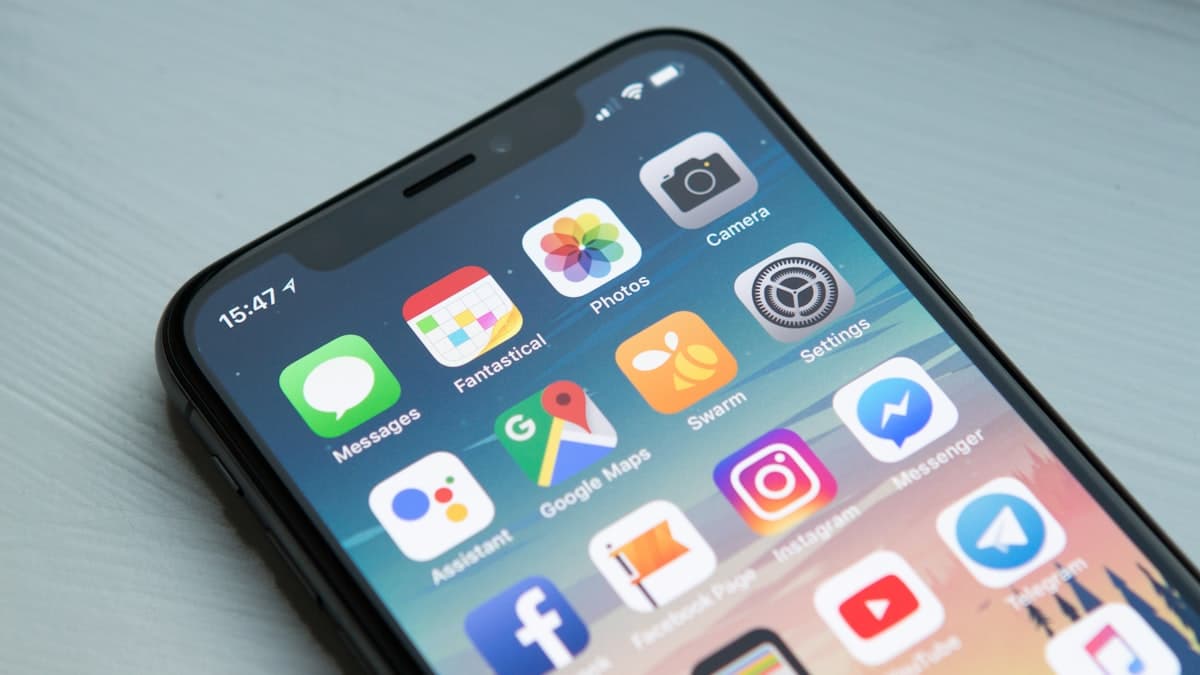
Go through your phone right now and count how many apps or accounts you use to run your business. Not personal stuff. Just the tools that keep your service business operating day to day.
For most people, the list looks something like this:
- Website: Wix, Squarespace, or GoDaddy
- Booking: Calendly, Acuity, or Square Appointments
- Email marketing: Mailchimp, Constant Contact, or nothing because you set it up once and never sent anything
- Client info: Google Sheets, a notebook, or scattered text messages
- Payments: Venmo, Zelle, Cash App, or Square
- Communication: A personal phone number that doubles as the business line
Six tools. Six logins. Six separate monthly charges. Six places where important information lives in isolation, unable to talk to each other.
And the person responsible for connecting all of it? You. On Sunday nights. When you should be resting.
How the Frankenstein Stack Gets Built
Nobody sets out to build a mess. It happens one problem at a time.
You start the business and need a website. You pick Wix because it's fast and cheap. A few months later, you realize you need online booking because the phone tag is killing you. Someone recommends Calendly. Now you have a booking link, but it doesn't connect to your website in any meaningful way. It's just a link you paste into your Instagram bio.
Then a friend tells you that you should be collecting emails. You sign up for Mailchimp. You import 30 contacts from your phone. You send one email. You never send another.
You need to track who's booked, who's paid, who still owes, and who you need to follow up with. There's no tool for that (or there are 50 tools for that, which is the same problem). So you open a Google Sheet and start logging names and dates.
Payments come in through three different channels. Venmo for some customers, Zelle for others, checks occasionally. You reconcile it all at the end of the month by scrolling through transaction histories on three different apps.
And through all of it, your "business phone" is your personal cell, so customer texts live between your group chat and your kid's school updates.
Each decision made sense in the moment. Each tool solved one problem. But together, they've created something nobody would design on purpose: a Frankenstein stack held together by your memory and your willpower.
What This Actually Costs You
The obvious cost is money. Let's add it up for a typical setup:
- Wix or Squarespace: $17 to $33/month
- Calendly or Acuity: $10 to $16/month
- Mailchimp: $13 to $20/month (once you pass the free tier)
- Google Workspace: $7/month
- Square payment processing: 2.6% + $0.10 per transaction
- A second phone line (if you have one): $10 to $25/month
That's roughly $60 to $100/month before payment processing fees. For tools that don't connect to each other. For software you probably use 40% of. Research from Productiv found that the average business uses only 40% of the features available in their software subscriptions. You're paying full price for tools you barely touch.
But the real cost isn't the subscriptions. It's what the disconnection does to your business.
Customers fall through the cracks. Someone books through Calendly, but that booking doesn't show up in your Google Sheet. You forget to follow up. They never hear from you again. They book with someone else.
You can't see the full picture. Who booked last month? Who hasn't been back in 90 days? Which service generates the most revenue? When your data lives in six different places, answering these questions requires an archaeology project.
Nothing is automated. Booking confirmation? Manual text. Appointment reminder? You remembering to send one. Follow-up after the job? Only if you remember. Review request? Maybe once in a while when you think about it. Every touchpoint that should be automatic requires you to personally remember and execute it.
You waste hours every week on admin. Research from Forrester found that the average person switches between nearly 10 different applications per day, losing over an hour of productive time just navigating between tools. For a solo business owner, that hour is the difference between one more job on the calendar and one more evening spent staring at spreadsheets.
The Sunday Night Tax
There's a specific kind of exhaustion that comes from managing disconnected tools. It usually hits on Sunday night.
You sit down to "get organized for the week." You open your calendar. You cross-reference it with your booking app. You check your texts for anyone who booked informally. You update your spreadsheet. You realize you forgot to confirm two appointments. You send those confirmations manually. You notice an email from Mailchimp saying your campaign didn't send because your payment method expired. You update the card. You think about sending that follow-up email you've been meaning to write for three weeks. You don't.
Two hours later, you've done nothing that grows your business. You've just kept the machinery from falling apart for another week.
That's the Sunday Night Tax. And you pay it every single week because the tools that are supposed to help you aren't connected.
What It Looks Like When Everything Is Connected
Imagine this instead:
- A customer finds your website and books an appointment directly from the site
- They get an instant confirmation with the date, time, and details
- 48 hours before, they get an automatic reminder
- They show up. You do the work.
- After the job, they automatically get a follow-up message thanking them and asking for a review
- Their information is saved in your system. If they don't come back in 90 days, a re-engagement message goes out automatically
No separate booking tool. No manual confirmation text. No reminder you had to remember to send. No spreadsheet to update. No Sunday night spent connecting dots between six different apps.
One system. Everything built in. Everything connected.
That's not a fantasy. That's what happens when your website, booking, automation, and client management are built as one system from the start instead of stitched together from parts that were never designed to work together.
Why "Just Get a Better Tool" Doesn't Fix This
When people feel the pain of tool overload, their first instinct is to find a better tool. A better CRM. A better scheduling app. A better email platform.
But adding a better tool to a disconnected stack doesn't solve the problem. It just gives you a nicer version of the same problem. Seven tools instead of six. A shinier spreadsheet. A more expensive booking link that still doesn't connect to your website.
The issue was never that any individual tool was bad. The issue is that they were never designed to work together. You can't solve an integration problem by adding more things to integrate.
The fix is starting from a foundation where everything is connected by design:
- Your website and your booking system are the same thing. Customers book directly from your site. No external link. No redirect. No separate login.
- Booking triggers confirmation and reminders automatically. No manual texts. No remembering.
- Client information is captured and stored in one place. Every booking, every interaction, every payment. Searchable. Organized. Without a spreadsheet.
- Follow-ups and review requests happen on their own. After every completed job, the system handles the outreach you never get around to doing manually.
- Your phone is covered when you can't answer. An AI Receptionist picks up, takes messages, answers common questions, and books appointments. No separate answering service. No voicemail black hole.
That's not six tools. That's one system that does what six tools were failing to do.
Tired of Being the Glue That Holds 6 Apps Together?
Our free assessment shows you where your current setup is costing you time, money, and customers. Takes about 3 minutes.
- See how your online presence stacks up against businesses that have everything connected
- Find out which parts of your tool stack are creating gaps
- Get a clear picture of what one connected system could replace
No sales call. No pitch. Just clarity on what's working and what isn't.
Or if you already know you need everything in one place, check out our plans at telnorawebstudio.com/#pricing. Website. Booking. Automation. AI Receptionist. One system. All connected.
Frequently Asked Questions
Most small service businesses use 4 to 8 separate tools for their website, booking, email, payments, client tracking, and communication. The problem isn't the number of tools — it's that they don't connect to each other, creating gaps where information, follow-ups, and customers get lost.

Telnora Web Studio
Your online presence, handled.
We build and manage everything your service business needs online—website, booking, automations, AI receptionist, and local search—so you can focus on your actual business.
You might also like
What If Your Website Could Book Jobs, Send Reminders, and Follow Up Without You Touching It?
Most service businesses treat their website and booking system as separate things. When everything is connected, the entire customer journey runs itself. You just show up and do the work.
The Service Business Owner's Guide to Automating Without Losing the Personal Touch
Automation doesn't mean your business becomes robotic. It means the follow-up email arrives, the review request lands, and the reminder goes out — without you remembering to do it.
Why Clients Ghost After Booking (And How to Make Them Show Up)
Most no-shows aren't personal — they're preventable. Automated confirmations and reminders reduce no-shows by up to 50%. Here's the three-step system that gets clients to actually show up.